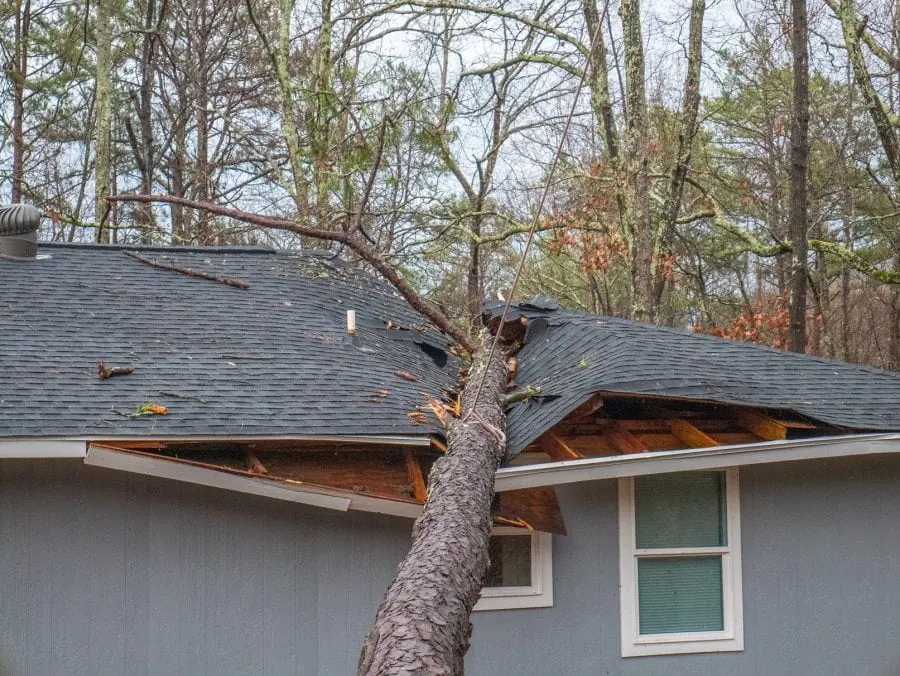
A fallen tree can turn a calm afternoon into a stressful claims process, especially when the tree belongs to someone else. If your neighbor’s tree fell on your house, uncertainty about responsibility, cleanup, and repair costs can make an already upsetting situation feel overwhelming.
You might wonder whether your own homeowner insurance will cover the damage, whether your neighbor will be held responsible, or who should pay for emergency tree removal and structural repairs. The paperwork, estimates, and conversations with insurers or contractors can add hours of stress at a time when you need clear direction.
This article explains the common rules that determine who pays, the difference between insurance coverage and neighbor liability, and practical steps to document damage and move a claim forward. Read on to learn how to approach this situation calmly and how to work with contractors and insurers to get repairs completed.
Who Usually Pays When a Neighbor’s Tree Falls on Your House?
In most cases the homeowner whose house was damaged will file a claim under their own homeowners insurance policy. Homeowners policies commonly cover structural damage caused by a fallen tree, and the policyholder will typically coordinate repairs with their insurer.
Insurance will often pay to stabilize the structure and make emergency repairs subject to policy limits and deductibles. Expect the insurer to inspect the damage, request estimates, and require documentation such as photos, receipts, and a written description of events.
When an adjuster arrives they will document damage, determine covered losses, and explain next steps toward repair or replacement. Keep a careful record of communication and costs as you move through the claims process.
When the Neighbor May Be Responsible for the Damage
The neighbor may be responsible if the fall resulted from their negligence or from a hazardous condition they knew about and failed to address. Negligence can include leaving a clearly dead or diseased tree untreated after being notified, or otherwise creating a foreseeable risk.
Determining negligence often involves timelines and evidence such as prior complaints, written notices, or visible disease and decay in the tree. Local ordinances and state law can affect responsibility, so learn the rules that apply where the property sits.
If negligence is plausible, the neighbor’s liability insurance or their own legal responsibility may cover your losses. Document dates, conversations, and evidence of prior warnings to support a claim that the neighbor failed to act responsibly.
Who Pays for Fallen Tree Removal?
Removing a fallen tree often follows the same insurance coverage rules as the structural damage it caused, meaning removal may be covered when the tree struck an insured structure. Standard homeowners insurance policies cover the cost of removing a fallen tree when it strikes an insured structure.
Even when removal is covered, coverage can vary based on policy language, the size of the tree, and whether the tree fell on a covered structure or just on the yard. If the tree damaged a structure, insurers usually pay for removal and repairs, subject to limits and deductibles.
If a tree falls only on land without damaging a covered structure, many policies limit or exclude removal costs unless the landing causes a covered loss. Always review policy terms with an adjuster or an attorney if coverage seems unclear.
How Contractors Handle Emergency Work and Insurance Billing
Tree contractors can perform emergency removal and structural stabilization while billing and claims follow the insurance process. This allows crews to prioritize safety and cleanup while administrative tasks proceed on a parallel track.
Information for tree contractors on how billing and insurance interactions typically work is available for companies that respond to storm damage and emergencies, and many contractors use specialized billing services to manage claims. Tree contractors often need clear estimates and documentation to submit to insurers, which reduces back-and-forth and dispute risk.
Contractors and their office staff frequently rely on standard processes and resources to handle claim paperwork and invoicing efficiently. For details about billing programs and how administrative workflows are structured for contractors, see the tree contractors page.
Contractors often have routine questions about timing, documentation, and payment procedures after emergency removals. Answers to common operational and billing questions can be found in the contractor FAQs, which outline typical interactions with insurers and homeowners.
Contractor offices that want a technical walkthrough of how billing and claim integration can fit into their emergency response procedures may consult resources that show system workflows and sample forms. Those technical details are presented on the page where companies can request a free demo of integration options.
What to Do After a Neighbor’s Tree Damages Your Property
Begin by documenting everything and making temporary repairs to prevent further loss. Take clear photographs from multiple angles, write down the date and time, and collect contact information for witnesses and the neighbor.
Next, secure the area and make emergency repairs if needed to prevent additional damage, such as tarping a roof or boarding broken windows. Keep receipts for all emergency expenses, because insurers often reimburse reasonable temporary repairs.
File a claim promptly with your homeowner insurer, and provide the documentation you collected to speed up the adjuster review. Maintain a log of phone calls and emails with insurers, contractors, and the neighbor so you can reference what was said and when.
What to Expect From Insurance Adjusters and Estimates
Insurance adjusters assess damage, verify coverage, and estimate repair costs based on vendor quotes and industry pricing. They may approve immediate emergency work and then follow up with a full scope review for permanent repairs.
Obtain at least one or two detailed written estimates from reputable tree removal and roofing contractors so you can share them with the adjuster. The adjuster may accept a contractor’s estimate, provide a separate estimate, or negotiate scope and pricing with you.
If your insurer issues payment directly to a contractor or to you, understand how disbursements and lien releases may affect the timeline for permanent repairs. Keep copies of all estimates, contracts, and receipts as the project moves from emergency stabilization to final restoration.
Related Resources for Insurance Billing
For more detail, review Global Insurance Billing’s tree contractors page and its contractor FAQs resource before making a final plan. These pages provide additional context about the services and decisions discussed above, while keeping the focus on what applies to your property and priorities.
You can also explore request a free demo when that aspect of the project affects your situation. For independent background, Standard homeowners insurance policies cover the cost of removing a fallen tree when it strikes an insured structure. offers high-authority educational guidance that supports a careful, informed decision.
Frequently Asked Questions
1. Who Pays the Deductible if My Neighbor’s Tree Damages My House?
Global Insurance Billing in Powder Springs, GA recommends reviewing your homeowner policy for deductible rules and amounts. Generally, the homeowner who files the claim will be responsible for the deductible unless the neighbor admits fault and their insurer agrees to cover it. Global Insurance Billing staff can help organize claim documents in Powder Springs, GA so you can present accurate information to adjusters and reduce delays. Keep careful records of damage and any neighbor communications to support any effort to recover deductible costs.
2. What if My Tree Falls on My Neighbor’s House?
Global Insurance Billing in Powder Springs, GA explains that responsibility depends on negligence and local laws, not simply ownership of the tree. If the owner of the downed tree knew it was unhealthy and did not act, they may be liable, but sudden storms are often treated as unavoidable. Global Insurance Billing and its Powder Springs, GA team advise documenting the situation thoroughly and communicating with both insurers to establish which policy should respond.
3. Who Handles Removal of a Shared or Boundary Tree?
Global Insurance Billing in Powder Springs, GA notes that shared ownership or fence line trees can complicate responsibility and may require local code clarification. Typically each owner handles removal on their side unless the tree caused damage to a structure, in which case insurance rules apply. Global Insurance Billing in Powder Springs, GA emphasizes that clear photographs, surveys, and written records help determine responsibility and streamline insurance handling.
4. Can Emergency Tree Removal Start Before the Insurance Inspection?
Global Insurance Billing in Powder Springs, GA advises that safety comes first, and contractors often perform emergency work to prevent further damage. Document all work, get written estimates, and save receipts so the insurer can evaluate costs against the policy and adjuster findings. Global Insurance Billing in Powder Springs, GA encourages homeowners and contractors to document emergency actions clearly to support the claim process and avoid disputes.
Conclusion
When a neighbor’s tree falls on your house, your own homeowners insurance will commonly be the first place to turn for covered property damage and removal costs. Responsibility can shift when there is evidence that the neighbor knew the tree was hazardous and failed to address it. Documenting the damage, keeping records, and contacting the insurer promptly can make the claims process easier to manage.
Global Insurance Billing Is Ready to Help in Powder Springs, GA
Global Insurance Billing provides billing and collections support tailored to emergency tree removal claims and works with both homeowners and contractors. If you need assistance organizing documentation, tracking invoices, or understanding the claims workflow, visit the company website or use the contact form to get started. The team in Powder Springs, GA can help coordinate paperwork so repairs move forward more smoothly.