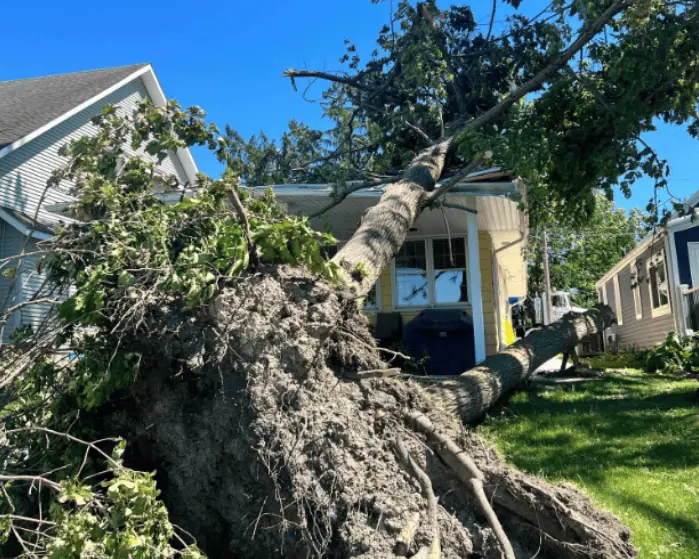
A tree emergency can throw everything off in a matter of minutes. One loud crack, one hard storm, and now there is damage, debris, and a lot of stress. Most homeowners want the danger gone fast, but the billing side can feel just as hard as the cleanup itself.
This article breaks down how emergency tree removal insurance billing works in plain language. You will see what happens after the service, what forms often show up, and what your role looks like as the homeowner. You will learn how a company like Global Insurance Billing helps handle the billing process so people are not left sorting out carrier calls and paperwork on their own.
Why this process feels hard for homeowners
A tree emergency is already a lot to deal with. The home may be damaged. The yard may be unsafe. Then the billing process starts, and that is where many people feel stuck. The terms sound technical, the costs look high, and no one wants to make a bad call under stress.
The problem is simple. Emergency work moves fast, but insurance billing takes records, forms, and contact with the carrier. That gap leaves many homeowners asking the same thing. Who pays first, and what happens next?
Emergency work comes first
The first job is to make the property safer. That can mean removing a tree from the roof, clearing a blocked driveway, or taking down hanging limbs that put people at risk.
No one stops in that moment to study claim language. The crew does the urgent work first. The billing side usually follows right after.
The cost can feel overwhelming
Emergency tree removal is not small routine yard work. It often involves heavy equipment, trained crews, and fast response. That can make the invoice look scary at first glance.
This is one reason homeowners panic. They think they will need to pay the whole bill before the claim moves forward. Global Insurance Billing built its service around direct insurance billing for this exact issue, with the goal of keeping that upfront burden off the homeowner as much as possible.
The insurance terms are unfamiliar
Many people see forms with terms like AOB, PTC, and DTP and feel uneasy. That reaction makes sense. Most homeowners do not deal with those documents until a tree hits the house or blocks access to the property.
A good billing team explains each form in normal language. That steady guidance matters a lot after a loss, when clear answers can calm a tense situation.
What happens right after the tree emergency
The first stage sets up the rest of the claim. Good records and clear contact early on can make the billing much easier later. This part is not about fancy paperwork. It is about showing what happened, what work was done, and why the service was urgent.
This is where many homeowners start to feel some relief. The danger is being handled, and the claim file begins to take shape at the same time.
The hazard gets removed
Emergency tree crews focus on the immediate danger. A tree on the home, a crushed fence line, or limbs hanging over a walkway all need fast action.
That emergency status matters. Insurance carriers want to see that the service was tied to a real hazard, not routine trimming or cosmetic cleanup.
The damage gets documented
Photos matter. Crew notes matter. Service details matter. Each one helps support the invoice that goes to the carrier.
A clear file shows what the tree did, what the crew had to remove, and why the work could not wait. Strong records help cut down on confusion later in the claim.
The homeowner hears from the billing team
Global Insurance Billing says homeowners can expect contact within 24 business hours after emergency tree removal service is provided by one of its prequalified contractors. That early call helps explain what comes next and who is handling each part of the process.
That step matters more than people think. Homeowners do not want silence after an emergency. They want updates, a real contact, and a simple explanation of the next move.
How direct insurance billing works
This is the part most homeowners want explained in plain terms. Direct billing means the billing company sends the emergency tree removal invoice to the insurance carrier instead of making the homeowner pay the full amount and chase reimbursement later. That can remove a lot of pressure during an already rough week.
It is still a claim process, and it still needs review. Yet the path feels easier when a billing specialist handles the carrier contact and claim paperwork.
The invoice is sent to the carrier
The billing company prepares the invoice and gathers the supporting records. That often includes photos, service notes, and signed documents.
The goal is clear. Show the carrier what happened and why the emergency tree removal service was needed. Then request payment through the claim.
Communication shifts off the homeowner
Many homeowners expect hours of back and forth with the carrier. They picture repeated calls, long hold times, and forms that seem to say the same thing three different ways.
Global Insurance Billing steps into that space as the link between the homeowner, the tree contractor, and the insurance carrier. The company handles direct carrier billing, claims management, and customer support tied to emergency tree removal work.
The deductible can still apply
This is where clear expectations matter. Direct billing does not always mean zero cost to the homeowner. If the carrier applies the policy deductible to the emergency tree invoice, the homeowner still owes that deductible amount.
Global Insurance Billing states this plainly in its homeowner FAQ. That kind of transparency helps people avoid surprise bills later in the process.
The forms tied to an emergency tree removal insurance claim
The paperwork can look intimidating at first. Still, each form has a job. One form allows contact with the carrier. Another tells the carrier where payment should go. Another gives the billing team the right to handle the claim side of the tree service bill.
Homeowners should never feel rushed through these forms. They should get a clear explanation of what each document does and what it does not do.
AOB: Assignment of Benefits
AOB stands for Assignment of Benefits. In this setting, it allows the billing company to work directly with the insurance carrier on the emergency tree removal service.
That helps move the billing work out of the homeowner’s hands. It does not erase the homeowner’s role in the claim, but it does let the billing team handle the service payment process with the carrier. Global Insurance Billing lists AOB document support as one of its core services.
PTC: Permission to Contact
PTC stands for Permission to Contact. This gives the billing company signed permission to speak with the carrier on the homeowner’s behalf.
That matters in a real way. Without that permission, a carrier may refuse to share needed claim or policy details tied to the emergency service bill.
DTP: Direction to Pay
DTP stands for Direction to Pay. This form tells the carrier it has permission to send payment straight to the billing company for the emergency tree removal service.
This is a key part of direct insurance billing. It lines up the payment process and helps avoid extra delay or confusion.
What insurance carriers usually want to see
Carriers do not just look at the total on the invoice. They want a clear file that supports the charge. That means the emergency has to be shown in a way that makes sense from the first page to the last. Clean records can help the claim move with less friction.
This is one reason specialized billing matters. Emergency tree work has its own details, and those details need to be presented well.
Proof that the work was urgent
A carrier wants to know why the service counted as emergency work. Photos of the tree on the structure, blocked access, or dangerous hanging limbs can help answer that question fast.
A vague note is not enough. The file has to show the hazard in a direct way.
A detailed scope of work
A short invoice line that says “tree removal” leaves too much open. Carriers need more than that. They need to see what was removed, what risk it posed, and what work the crew performed.
Global Insurance Billing says its invoicing team focuses on detailed billing built for insurance carriers. That attention to detail can help support the claim and reduce delays tied to missing information.
Steady, organized contact
Claims can slow down fast when updates are scattered. A missing form here and a late follow-up there can drag the process out.
A billing company helps keep communication in one lane. That structure gives homeowners a clearer view of what is happening and what still needs attention.
Where homeowners get confused most often
Most claim problems start with stress and lack of clarity. Homeowners are trying to protect the house, find a trusted tree crew, and make sense of insurance language all at once. That is a lot for one person to carry after storm damage or a fallen tree.
This is where good guidance matters most. The right support can keep a stressful event from turning into weeks of avoidable confusion.
Thinking every claim works the same way
Each policy is different. Each carrier has its own process. Each loss has its own facts.
That means one emergency tree removal insurance claim may move faster than another. No honest company should promise the same outcome every time.
Not asking what they still owe
Homeowners should ask one direct question early. Will any part of this invoice still be my responsibility?
The answer often comes back to the deductible. That question is simple, but it can clear up a lot of worry.
Signing paperwork without a plain explanation
Forms should not feel like traps. A homeowner should know what each one does before signing it.
Global Insurance Billing builds its brand voice around clear education, compassionate support, and process simplification. That tone fits this kind of work well, since homeowners need plain answers during a stressful event.
Why specialized billing support makes a real difference
Emergency tree removal billing is its own niche. It sits between storm damage, field service, and insurance claim handling. That mix can get messy without the right team in place. A specialist helps keep the process cleaner for the homeowner, the contractor, and the carrier.
That support is not just about paperwork. It is about reducing stress at a time when people already have enough to deal with.
Homeowners get help with the hard part
Most people do not want to spend days calling their carrier after a tree hits the home. They want the danger removed, the billing handled, and the next steps explained in normal language.
Global Insurance Billing serves homeowners nationwide through a network of prequalified, licensed, and insured tree contractors. Its team manages billing, claim communication, and status updates tied to emergency tree work.
Contractors stay focused on tree work
Tree crews should be focused on safe emergency service. They should not have to carry the full billing burden on top of field work.
Global Insurance Billing says it handles insurance billing for contractors so they can stay focused on removal work while the claim paperwork is managed by a team that knows the process.
The process feels clearer from start to finish
Homeowners want to know who is doing what. They want updates. They want fewer surprises.
That is where a company with both tree industry knowledge and insurance experience stands out. Global Insurance Billing was founded by Stephan LeBlanc Sr., who brings 18 years as a licensed insurance agent and also owns a tree company. That mix gives the company a practical view of both sides of the job.
Need help with emergency tree removal insurance billing?
A tree emergency is hard enough without billing confusion piled on top of it. The process works better when the service is documented well, the forms are explained clearly, and the carrier communication is handled by people who know this kind of claim work.
Global Insurance Billing helps homeowners and contractors across the United States handle emergency tree removal insurance billing through a direct, organized process. That support can take a lot of pressure off during a stressful time and give homeowners a clearer path through the emergency tree removal insurance claim process.